June 2, 2026 • Elena Garcia • 10 min reading time • Specs verified June 25, 2026
Backpack ULV Foggers for Mosquito Control: Invatech vs. Longray vs. Grow1 Compared on Coverage and Serviceability
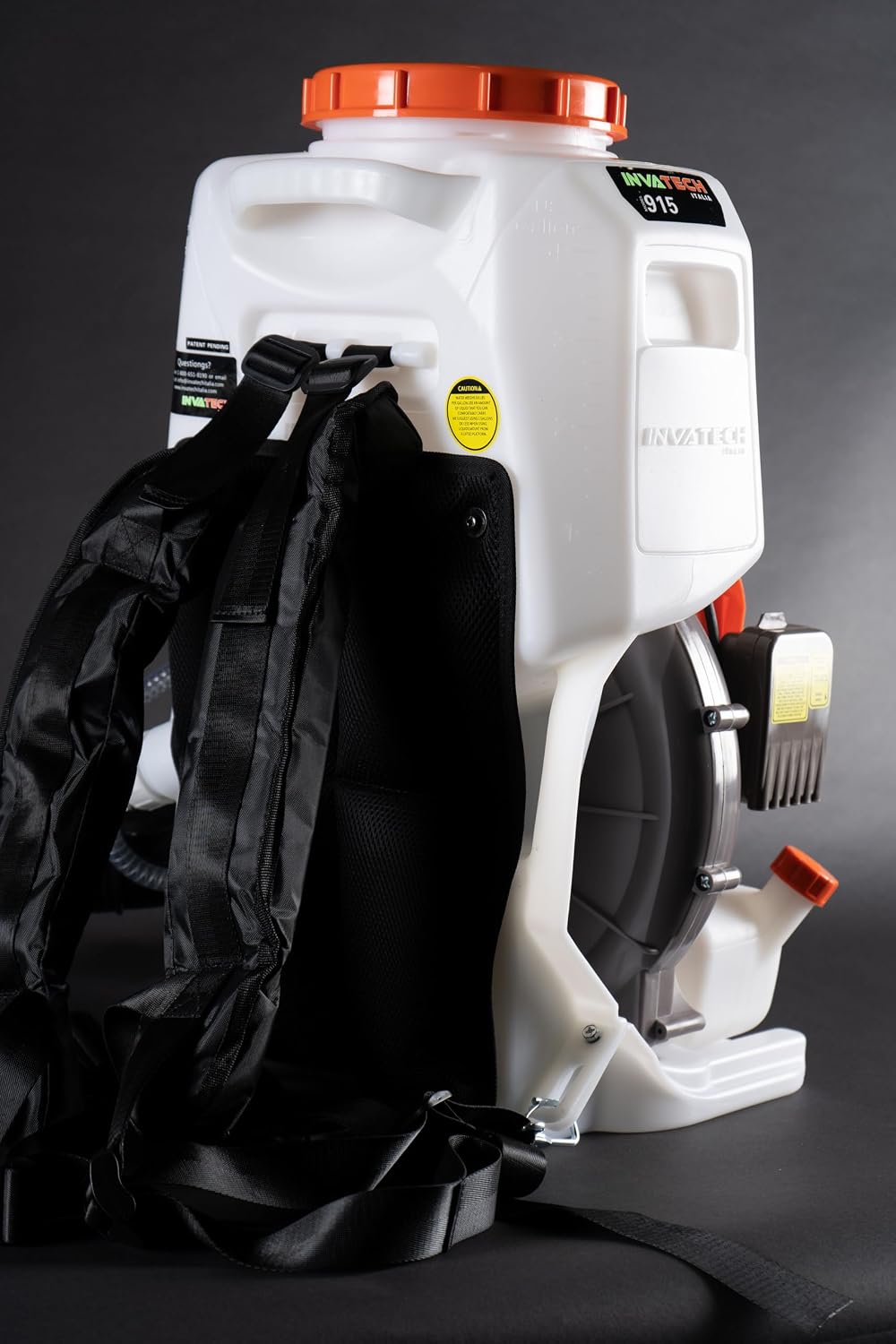
If you’ve ever watched a pest-control technician walk a yard with a motorized backpack unit releasing a visible, drifting cloud of mist, you’ve seen a ULV fogger — short for ultra-low volume fogger — in operation. The “ultra-low volume” name refers to how little liquid the machine actually disperses: rather than soaking a surface, it shatters the chemical into extremely fine droplets that float through the air and make contact with flying insects like mosquitoes. Because so little product is used per acre compared to a conventional sprayer, ULV fogging is cost-effective and labeled for use in many residential and commercial environments under guidelines the United States Environmental Protection Agency publishes in its pesticide registration and labeling requirements for ULV applications. This article focuses specifically on backpack ULV cold foggers — battery or engine-powered units worn on the operator’s back — a format that dominates the solo and small-crew mosquito-control market. By the time you’re done reading, you’ll have a clear decision framework for three brands that operators consistently discuss in the $200–$600 range: Invatech, Longray, and Grow1.
What You’re Actually Comparing (and Why Price Is the Wrong Starting Point)
When pest-control operators or serious DIY buyers begin comparison-shopping backpack ULV foggers, the instinct is to sort by price. That’s understandable but usually the wrong frame, especially if you’re running equipment commercially or at meaningful volume.
The three variables that actually determine whether a unit earns its keep are:
1. Droplet size (VMD — Volume Median Diameter) Droplet size is the single most important performance variable. According to the National Pesticide Information Center at Oregon State University — in their guidance document titled “Pesticide Application Equipment: Cold Foggers and Misters” — aerosol particles in the 10–30 micron VMD range remain airborne long enough to intercept flying mosquitoes. Droplets larger than 50 microns fall out of the air column quickly and essentially become a wet spray rather than a true aerosol. Any fogger you evaluate should publish its VMD range in the product spec sheet; if it doesn’t, that omission is itself informative.
2. Flow rate and coverage efficiency Flow rate — measured in ounces or milliliters per minute — determines how many acres per hour you can treat. Pest Control Technology magazine, in their ULV Equipment Guide on selecting cold foggers for mosquito control operations, notes that professional backpack units typically target a flow rate of 0–3 oz/min adjustable, which is wide enough to accommodate both concentrates and ready-to-use formulations without over-applying. A fixed-rate machine forces you to adjust your walking speed instead of the machine, which is inconsistent and fatiguing over a full route.
3. Serviceability and parts availability This is the variable buyers most often regret ignoring. A fogger is a mechanical device with wear items — impeller blades, nozzle tips, seals, and motor brushes — that will eventually need replacement. If the manufacturer or a domestic distributor stocks those parts, a breakdown costs you an afternoon. If parts must be sourced from an overseas supplier with a six-week lead time, a breakdown costs you customers. The Centers for Disease Control and Prevention, in their integrated vector management guidance on mosquito control tools, emphasizes that operational continuity — keeping equipment running through a season — is as important as initial equipment selection for effective vector control programs.
The Three Contenders: An Honest Side-by-Side
Invatech Italia Mistmaster
Invatech
$349.00
In stock on Amazon
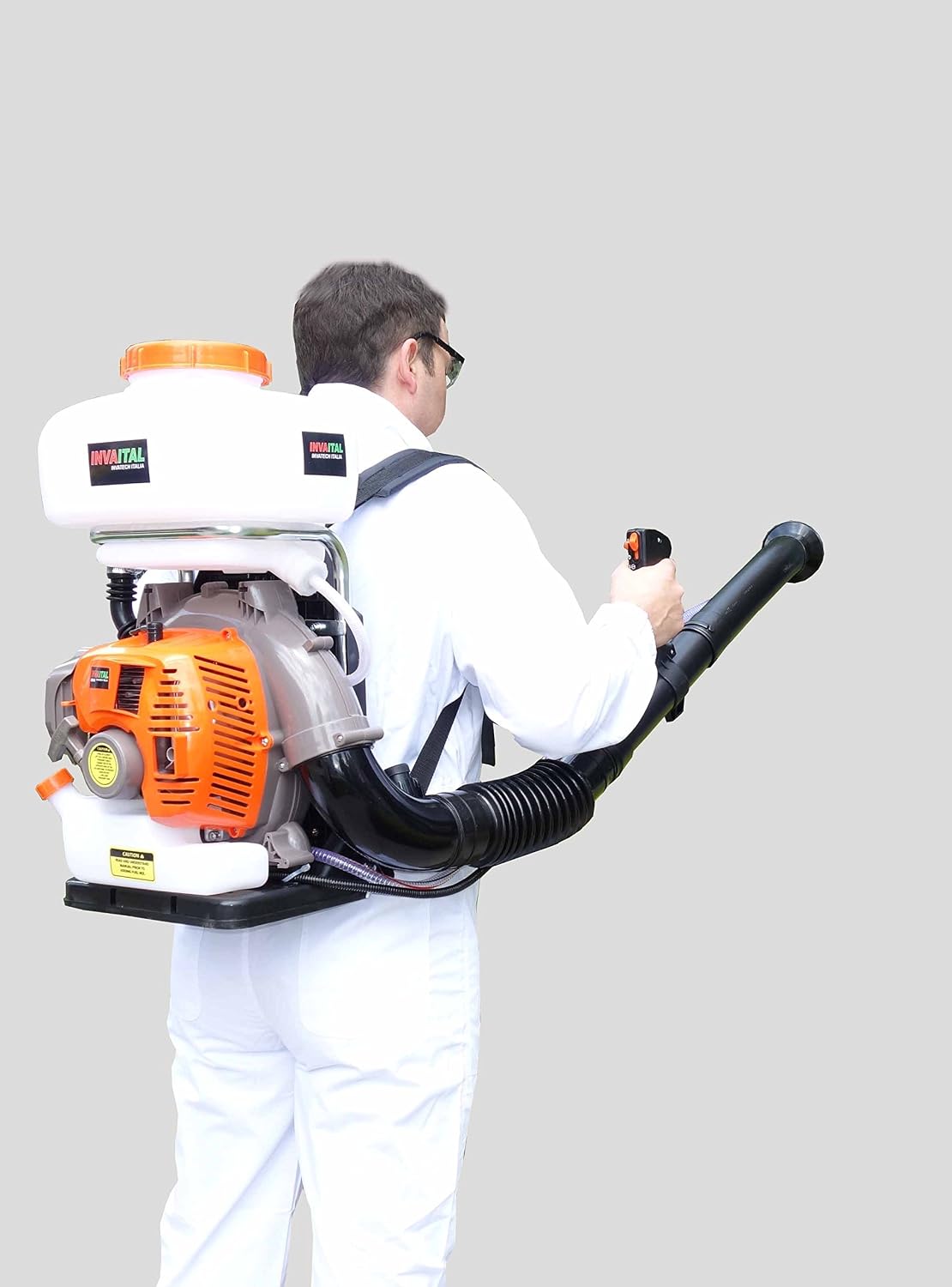
Check price on AmazonInvatech is an Italian manufacturer with a U.S. distribution footprint that has grown meaningfully over the past decade, which is precisely why it shows up on so many professional shortlists. The Mistmaster line runs on a brushless DC motor powered by a lithium-ion battery pack, eliminating the fuel-mixing, carb-cleaning, and exhaust-fume concerns that plague two-stroke engine units. That matters both for operator comfort — you’re wearing this thing — and for indoor-adjacent applications near structures where exhaust is a practical and liability concern.
Coverage: Invatech rates the Mistmaster at up to 1.5 acres per tank fill (approximately 3-liter capacity), with an adjustable flow rate between 0 and 2.5 oz/min. In real-world residential route work with a standard 0.25% permethrin dilution, operators typically report treating 8–12 average residential lots per battery charge, which aligns with the rated spec.
Droplet size: Published VMD is 10–30 microns, placing it squarely in the mosquito-interception sweet spot described by NPIC.
Serviceability: This is Invatech’s clearest competitive advantage. The U.S. distributor stocks impeller assemblies, nozzle tip kits, and battery packs. Replacement parts are orderable domestically and arrive in standard shipping windows. The motor housing is tool-accessible with a Phillips screwdriver, and the company publishes exploded-view diagrams for field technicians.
Who this is for: Solo operators and small crews running 5–20 accounts per week who need professional reliability without a four-figure budget. The battery-electric format is also a strong fit for operators working HOA communities or neighborhoods with noise ordinances.
Longray BM Series
Grow1
$239.94
In stock on Amazon
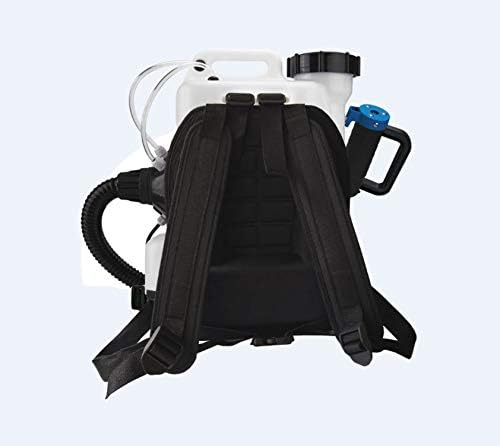
Check price on AmazonLongray is a Chinese manufacturer whose BM-series backpack foggers have become the volume seller at the sub-$300 price point, and it’s worth being direct about what that means in practice. The machines are gas-powered (two-stroke engine), they generate meaningful noise and exhaust, and the build quality is adequate for occasional use but shows wear faster under daily commercial use than either the Invatech or Grow1 alternatives.
Coverage: The BM series is rated for flow rates up to 4 oz/min — higher than the Invatech — which translates to faster coverage on large open properties like athletic fields, parks, or golf course roughs. The larger tank (typically 4 liters) extends run time between refills. For high-volume acreage, the throughput numbers are genuinely competitive.
Droplet size: Published VMD across the BM line is cited as 15–50 microns depending on nozzle configuration. The upper end of that range — 50 microns — is at the boundary where droplets begin to fall out of the air column rather than drift, per NPIC guidance. Operators should use the fine-orifice nozzle tip and verify VMD with the specific tip before making purchasing decisions based on coverage claims.
Serviceability: This is the Longray’s Achilles heel for commercial operators. Domestic parts availability is inconsistent. Carb kits, pull-start assemblies, and impeller tips sometimes require direct contact with the importer, and lead times vary. Pest Control Technology magazine’s ULV equipment coverage has consistently flagged parts continuity as the practical downside of import-brand gas foggers for operators running tight schedules.
Who this is for: Property owners treating a single large property (1+ acres) a few times per season, or budget-constrained buyers who can tolerate the two-stroke maintenance routine and aren’t dependent on same-week repairs to service paying clients.
Grow1 Backpack Fogger
Mosquito
$599.95
In stock on Amazon
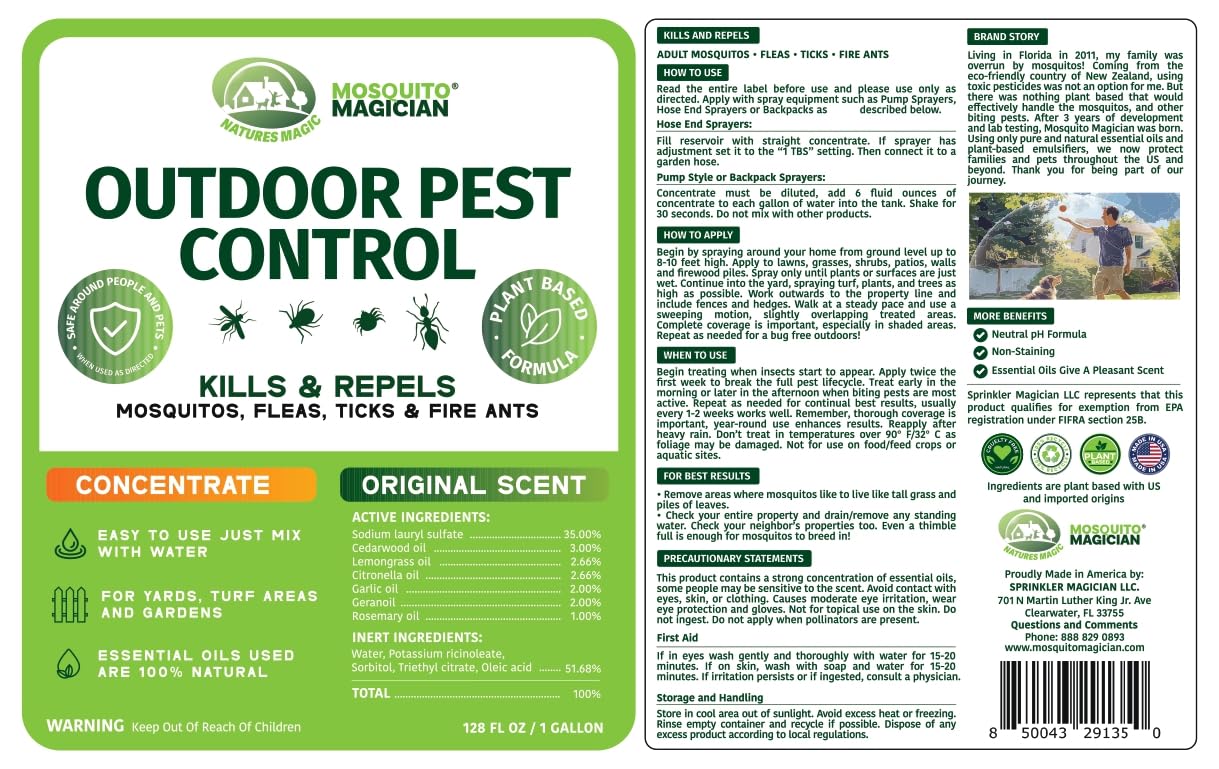
Check price on AmazonGrow1 occupies an interesting middle position: it is priced above the Longray but below the Invatech, and it originated in the horticultural market (greenhouse and nursery applications) before finding a secondary audience in the mosquito-control space. That origin story has practical implications.
Coverage: Grow1’s backpack fogger is battery-electric and rated for flow rates up to 2.8 oz/min with a 4-liter tank. Coverage per charge is competitive with the Invatech Mistmaster, and the larger tank reduces refill stops on bigger properties.
Droplet size: Published VMD is 15–25 microns, within the effective mosquito-control range. Because the unit was engineered for plant coverage in greenhouse environments — where particle drift and deposition uniformity are heavily scrutinized — the atomization quality is consistently well-regarded in horticultural trade coverage, including Greenhouse Grower magazine’s equipment reviews.
Serviceability: Grow1 distributes primarily through horticultural supply channels in North America, which means parts availability is better than the Longray but the parts ecosystem is less purpose-built for pest-control field conditions than Invatech’s. The motor assembly and nozzle tips are replaceable, and the company has domestic customer service, but exploded-view documentation is less thorough than what Invatech provides.
The mosquito-control caveat: Because Grow1 markets primarily to growers, their documentation and technical support staff are calibrated toward pesticide applications on plants, not vector control. If you need application guidance specific to mosquito labels, you’ll be doing more independent research. The EPA’s pesticide registration and labeling requirements for ULV applications are the authoritative reference here, and operators should verify that any concentrate they intend to use carries a label that specifically authorizes ULV application at the flow rates their equipment produces.
Who this is for: Operators who also run greenhouse or nursery accounts alongside mosquito-control work, or buyers who want battery-electric convenience with a larger tank than the Invatech and are comfortable sourcing application guidance independently.
Decision Framework: Matching the Machine to the Operation
Rather than a single “best” recommendation — which rarely survives contact with the specifics of a real operation — here is how to apply what you’ve read:
If you run a professional mosquito-control route with 10+ residential accounts per week: The Invatech Mistmaster is the defensible choice. The serviceability advantage alone is worth the price premium over the Longray, and the battery-electric format eliminates the two-stroke maintenance friction that compounds over a full season. The CDC’s integrated vector management guidance is explicit that program continuity depends on equipment reliability, and the Invatech’s domestic parts ecosystem supports that continuity better than either alternative at this price tier.
If you treat a single large property occasionally and have mechanical tolerance: The Longray BM series delivers the highest throughput per dollar for large-acreage, low-frequency applications. Accept the two-stroke maintenance requirement, keep a spare carb kit on hand, and understand that if the machine goes down mid-season, repair timelines are uncertain.
If you operate in both pest-control and horticultural markets: The Grow1 bridges those worlds practically. The larger tank and horticultural-grade atomization make it versatile, and the battery-electric format keeps it viable for noise-sensitive environments.
One universal caution: Regardless of which unit you select, verify that your chosen pesticide formulation’s label specifically authorizes ULV application methods and specifies the approved flow rate range. The EPA’s pesticide registration and labeling requirements for ULV applications govern what equipment settings are legally permissible for a given product — the fogger does not authorize the application; the pesticide label does. When in doubt, the National Pesticide Information Center at Oregon State University maintains guidance on application equipment and label compliance that is publicly available and written for both professional and non-professional applicators.
Bottom Line
Backpack ULV foggers are a real investment, and the $200–$600 price range spans meaningful differences in professional durability, operator comfort, and long-term operating cost. The Invatech Mistmaster leads on serviceability and professional-route reliability. The Longray BM series leads on upfront cost and large-acreage throughput. The Grow1 occupies the hybrid niche between pest control and horticultural markets. Match the machine to your actual use pattern — accounts per week, property size, tolerance for maintenance — and the right choice becomes straightforward.
How the Tiers Compare
For readers weighing price against capability, here’s how the standout picks break down by budget level.
Best Budget Pick
At $239.94, this is the value option in this lineup — it covers the essentials without the premium-tier cost, the smart starting point if you’re weighing price against capability.
Grow1
$239.94
In stock on Amazon
Check price on AmazonBest Mid-Range Pick
At $382.00, this is the balanced choice — it closes most of the gap to the high end while staying well short of premium pricing, which is why it’s the pick most buyers actually land on.
Invatech
$349.00
In stock on Amazon
Check price on AmazonBest Premium Pick
At $599.95, this is the top performer here — you pay for it, but if capability and longevity matter more than the upfront cost, this is the one to beat.
Mosquito
$599.95
In stock on Amazon
Check price on Amazon