September 8, 2026 • Elena Garcia • 12 min reading time • Specs verified June 25, 2026
Natural and Botanical Mosquito Fogger Concentrates: What Garlic and Essential Oil Products Actually Deliver
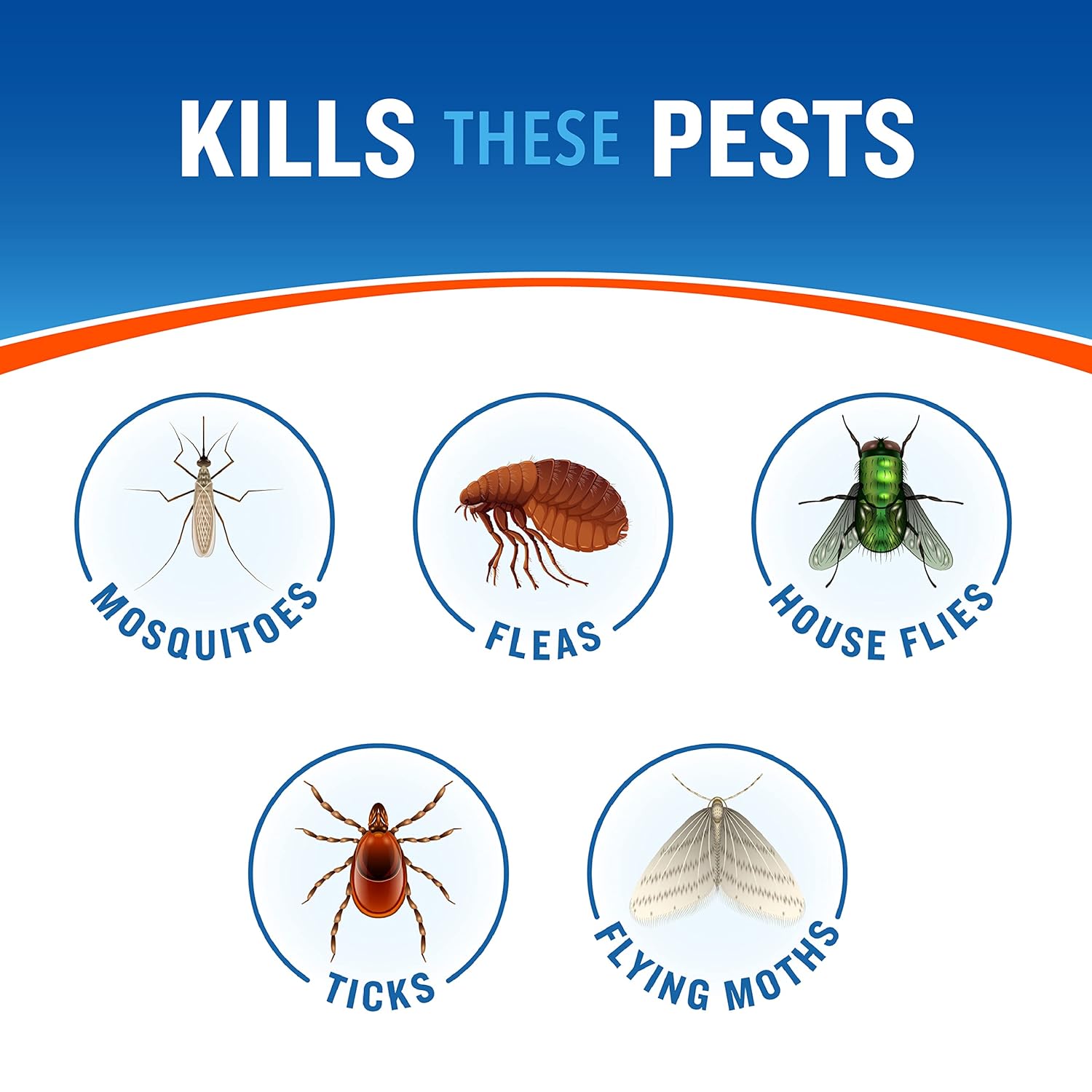
If you’ve been shopping for a mosquito fogger concentrate — the liquid you load into the machine that actually does the killing — you’ve probably noticed a fast-growing shelf of products labeled “natural,” “botanical,” or “plant-based.” These are formulations built around ingredients like garlic oil, rosemary oil, peppermint extract, or pyrethrin (a naturally derived insecticide extracted from chrysanthemum flowers) rather than the fully synthetic pyrethroids — such as permethrin or bifenthrin — that dominate conventional pest control. The promise is appealing: fewer synthetic chemicals around kids, pets, and pollinators, with mosquito populations that actually go down. But “natural” is not a synonym for “harmless,” “odorless,” or “equally effective,” and the category covers a wide quality range. This article cuts through the marketing and looks at what verified owner accounts, published product specs, and regulatory data actually show — with a focus on three concentrates that come up repeatedly in serious buyer conversations: Mosquito Magician, ULD BP-100, and Pyrocide 300.
What “Natural” Actually Means on a Pesticide Label — and Why It Matters for Your Decision
The word “natural” on a pesticide label has no legal definition in the United States. What does have legal meaning is a category called FIFRA Section 25(b) minimum-risk pesticides — a list maintained by the EPA of active ingredients so low in acute toxicity that the agency exempts them from full federal registration requirements. According to the EPA’s Office of Pesticide Programs document “Minimum Risk Pesticides — Exemptions Under FIFRA Section 25(b),” garlic oil, rosemary oil, peppermint oil, thyme oil, and several other botanicals appear on that list. Products built entirely from 25(b) ingredients do not require an EPA registration number on the label, which is why you’ll see some botanical concentrates marketed aggressively on the basis of what they don’t contain.
Pyrethrin — the active ingredient in ULD BP-100 and Pyrocide 300 — occupies a different regulatory tier. It’s plant-derived (from Chrysanthemum cinerariifolium), but it’s potent enough that it does require full EPA registration. The National Pesticide Information Center’s “Pyrethrins General Fact Sheet,” published by Oregon State University, notes that pyrethrin can irritate the respiratory tract, eyes, and skin at exposure levels achievable during fogging applications. Plant-derived origin does not equal low hazard.
The practical takeaway: If your decision criterion is “fewer synthetic chemicals,” the 25(b) garlic-and-essential-oil products deliver that. If your criterion is “maximum kill rate with a plant-derived active,” registered pyrethrin concentrates like ULD BP-100 and Pyrocide 300 are a distinct — and meaningfully more potent — category, even though they are also described as botanical.
Head-to-Head: Three Botanical Concentrates Compared
The following three sections evaluate each concentrate against the criteria that matter for practical application programs: kill mechanism, odor profile, residual window, regulatory category, and cost efficiency. Each section closes with a tier marker reflecting where that product fits in a buyer’s decision hierarchy.
Mosquito Magician: Residential Repellency, Serious Odor Tradeoff
Mosquito Magician is one of the most visible garlic-oil-based concentrates on the market, and the owner feedback around it is genuinely split — not because the product is inconsistent, but because it delivers two very consistent outcomes simultaneously: measurable mosquito reduction and an aggressive garlic-sulfur odor that does not stay in your yard.
Across aggregated owner reviews, the pattern is clear: users confirm that mosquito populations drop noticeably after application, often within hours and continuing for several days afterward. The mechanism is repellency rather than fast-knockdown kill. UC Davis Agriculture and Natural Resources, in their Integrated Pest Management guides for mosquitoes, describes garlic-sulfur repellency as a legitimate but fundamentally different mode of action from a contact adulticide: you are moving mosquitoes away from a treated zone, not eliminating a population.
The odor situation deserves direct treatment because it is not a user-error issue. Verified owner accounts describe the garlic-sulfur off-gassing persisting long enough to affect vehicles, adjacent properties, and neighboring households. One documented account involves a delivery driver reporting that his truck retained a garlic odor for two full days after packages were loaded near a recently treated property. Another owner — who explicitly confirmed the product worked — gave a one-star review solely on the basis of odor impact. This is an inherent product characteristic, not a dilution mistake. Garlic oil’s volatile sulfur compounds off-gas continuously after application, and in warm weather — precisely when you’re fogging — that off-gassing accelerates.
For backyard residential use where you control application timing, this is manageable. For commercial outdoor hospitality — a restaurant patio, a wedding venue, an event rental property — it is a serious operational constraint that disqualifies Mosquito Magician in most scenarios. Guests will smell it.
Quick reference:
- Mode of action: repellency (olfactory/sensory disruption), not rapid knockdown
- Active ingredients: garlic oil blend; qualifies as EPA FIFRA 25(b) minimum-risk
- Odor impact: high and persistent — plan for 24–48 hours before occupancy
- EPA registration required: No
- Best fit: residential lots where the owner controls timing and neighbors are not immediately adjacent
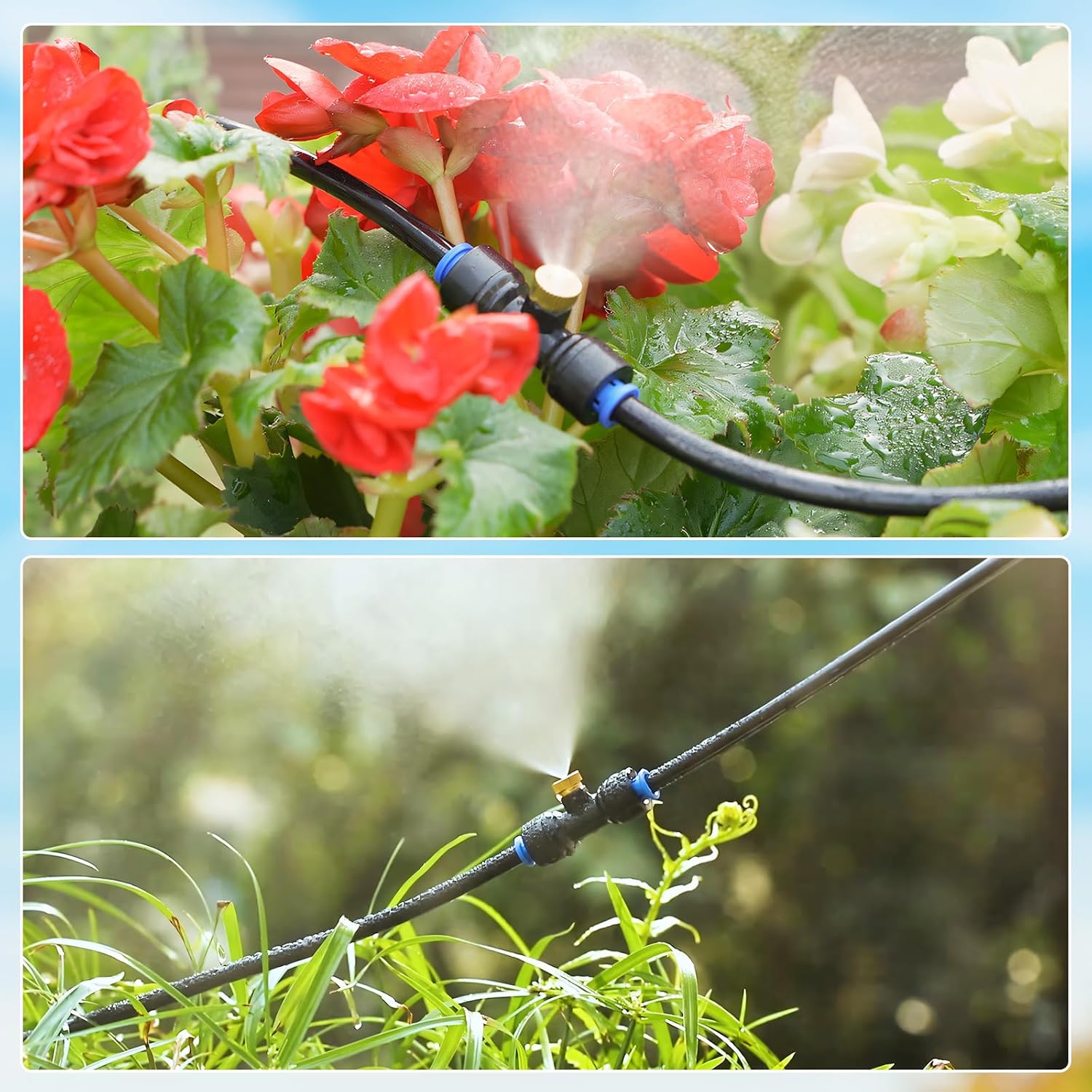
HOMENOTE
$9.99
In stock on Amazon
Check price on AmazonULD BP-100: Dense Fog, Proven Knockdown, Premium Per-Gallon Cost
ULD BP-100 is a pyrethrin-based concentrate formulated for ULV (ultra-low-volume) cold foggers — machines that break liquid into very fine droplets, typically 5–30 microns VMD, suspended in air long enough to make contact with flying insects. Owners consistently highlight the fog cloud density as exceptional, describing it as visually distinct from diluted or underperforming alternatives.
The most striking owner documentation involves tick control: a verified reviewer described applying ULD BP-100 to a yard with a persistent multi-season tick problem and reporting complete resolution after a single application season. The National Pesticide Information Center’s “Pyrethrins General Fact Sheet” confirms that pyrethrin is a broad-spectrum contact insecticide active against mosquitoes, ticks, gnats, and a range of flying and crawling insects — so this outcome is mechanistically consistent with the product’s labeled claims.
The recurring owner complaint is price. Operators who run cost-per-acre comparisons across their full season consistently find ULD BP-100 running significantly more expensive per treatment cycle than synthetic pyrethroid alternatives. Whether that premium is justified depends on chemistry constraints: if you are serving clients who specifically request non-synthetic actives, or operating near waterways where synthetic pyrethroid runoff is a regulatory concern, the cost differential becomes compliance value. If you have no such constraints, the economics favor conventional options.
One owner note worth flagging: some users document blending ULD BP-100 with permethrin to extend residual activity. Do not do this without reviewing the product’s Safety Data Sheet and your state’s pesticide regulations. Combining registered pesticides outside label directions is illegal in most jurisdictions and can void an applicator license.
Quick reference:
- Mode of action: contact kill; pyrethrin-based
- EPA registration required: Yes
- Odor impact: moderate — notably lower than garlic-oil concentrates
- Residual window: 1–3 days outdoor, UV-dependent (per CDC mosquito adulticide guidance)
- Best fit: operators with botanical chemistry requirements and tolerance for higher per-treatment cost
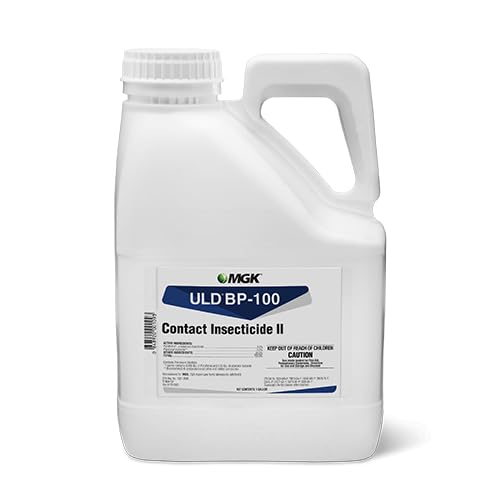
ULD
$99.95
In stock on Amazon
Check price on AmazonPyrocide 300: Consistent Quality Signal, Smaller Ownership Record
Pyrocide 300 has a smaller owner review base than either Mosquito Magician or ULD BP-100, which makes pattern-reading harder — but the signal that does exist is notably clean. Owners consistently praise formulation quality and concentrate consistency. No accounts in the aggregated record describe clogging, phase separation, or nozzle problems. Price is the only repeated complaint.
Pyrocide 300 is also a pyrethrin-based formulation, positioned similarly to ULD BP-100 for ULV application, but with a somewhat different synergist profile. Piperonyl butoxide (PBO) concentrations vary between pyrethrin products and affect both efficacy speed and regulatory status in certain jurisdictions — worth verifying against your local cooperative extension service guidance before purchasing. PCT Online’s coverage of botanical insecticides in commercial pest management programs has consistently identified Pyrocide-line products as a mainstay for operators who need pyrethrin’s regulatory profile combined with reliable commercial-grade active-ingredient concentration.
The smaller review base is a real limitation. ULD BP-100 simply has more documented field performance to draw on. Pyrocide 300’s advantage is consistency: every owner account reviewed describes it performing exactly as labeled with no formulation surprises. For operations where predictable concentrate behavior matters more than a thick owner review archive, that reliability track record is meaningful.
Quick reference:
- Mode of action: contact kill; pyrethrin + PBO
- EPA registration required: Yes
- Odor impact: low to moderate
- Residual window: 1–3 days outdoor, UV-dependent
- Best fit: commercial operators prioritizing formulation consistency; buyers who find ULD BP-100 out of stock or over budget
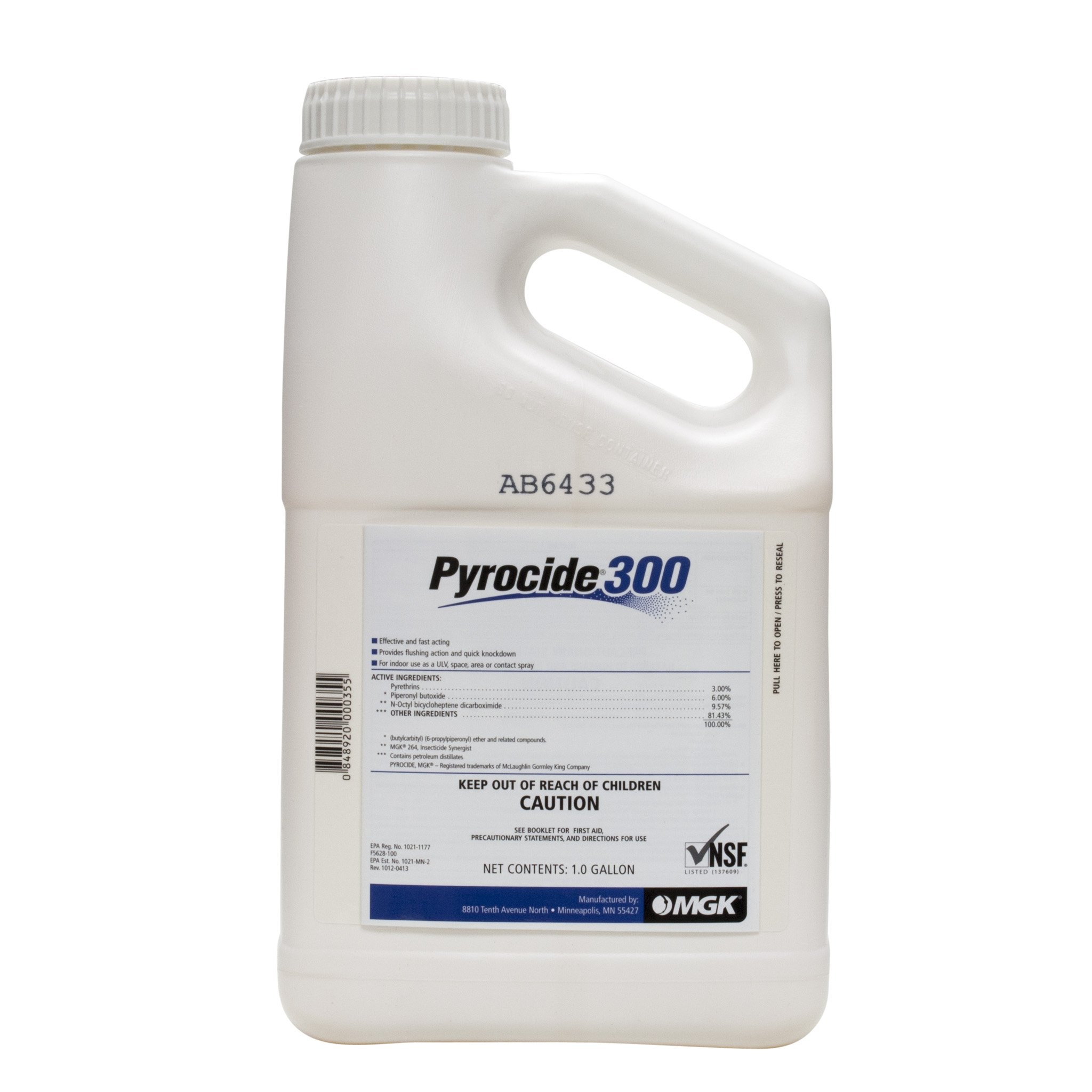
MGK
$196.09
In stock on Amazon
Check price on AmazonThe Residual Reality: How Long Does Protection Actually Last?
This is where honest tradeoffs matter most. The CDC’s Division of Vector-Borne Diseases guidance on mosquito adulticides notes that pyrethrin breaks down rapidly in sunlight and heat — a feature from an environmental-persistence standpoint, but a real limitation operationally. Typical residual activity for pyrethrin-based concentrates in outdoor conditions is one to three days before UV degradation and heat reduce active-ingredient concentrations below effective thresholds. Synthetic pyrethroids like permethrin on treated vegetation routinely deliver three to four weeks of residual coverage.
Garlic-oil-based products operate differently — not kill residual, but behavioral avoidance. Owners report meaningful mosquito reductions lasting one to two weeks under moderate conditions, shorter windows after heavy rain.
The decision frame for commercial programs: botanical concentrates are not a lower-frequency treatment option compared to synthetic alternatives — they typically require more frequent application to maintain population suppression. Per PCT Online’s ongoing commercial program coverage, operators transitioning from synthetic pyrethroids to botanical concentrates should plan for four to eight times more frequent application cycles to achieve equivalent coverage windows. Factor that into total-cost-of-ownership math before the price-per-gallon number makes botanicals look economically attractive.
Frequently Asked Questions
How long does the garlic smell from Mosquito Magician last after application? Owners consistently report the strongest odor persisting for 24–48 hours after fogging, with detectable garlic notes remaining up to 72 hours in still, humid conditions. Wind, rain, and heat all accelerate dissipation. Plan applications at least 48 hours before any outdoor occupancy event.
Can I use ULD BP-100 in any fogger or only specific types? ULD BP-100 is formulated for ULV cold foggers — machines that use high-speed airflow, not heat, to atomize liquid into fine droplets. It is not designed for thermal foggers, which vaporize oil-based carriers through heat. Using it in a thermal unit risks incomplete vaporization and potential clogging. Always verify fogger compatibility against the product’s Safety Data Sheet and your machine manufacturer’s concentrate compatibility guidance.
Is botanical mosquito spray safe around backyard chickens and koi ponds? “Safe” requires precision. The NPIC’s “Garlic (Allium sativum) General Fact Sheet” from Oregon State University indicates that garlic oil at label concentrations poses minimal risk to mammals and birds when used as directed. Pyrethrin is a different matter: the NPIC “Pyrethrins General Fact Sheet” specifically flags high aquatic toxicity as a primary concern for fish and aquatic invertebrates. Buffer any pyrethrin application from open water by at least the distance specified on the label — typically 25 feet or more — and avoid applying under conditions where runoff into a koi pond is possible. Garlic-oil 25(b) products carry lower aquatic risk but are not zero-risk for sensitive fish populations under direct exposure.
How does the residual protection of natural concentrates compare to permethrin? Significantly shorter. Pyrethrin-based concentrates typically deliver one to three days of outdoor residual. Garlic-oil repellency persists one to two weeks under good conditions. Permethrin on treated vegetation typically holds 21–28 days. For a commercial mosquito program, that translates to four to eight times more frequent application cycles with botanical concentrates to achieve equivalent coverage windows.
Will essential oil fogger concentrates clog a thermal or ULV fogger? Essential oil concentrates vary significantly in viscosity and carrier composition. Thicker, undiluted formulations can leave resinous deposits in nozzles and heat chambers over time — a risk that is higher in thermal foggers than in cold ULV units. Always dilute per label instructions before loading, flush the fogger with the appropriate solvent after each use, and inspect nozzle orifices for buildup after every two to three applications. Owners of precision ULV units consistently report fewer clogging problems than thermal-fogger operators when using essential oil concentrates.
Does Mosquito Magician work against ticks and fire ants, or only mosquitoes? The product is primarily marketed and field-tested against mosquitoes. Garlic-sulfur repellency does not carry the same efficacy profile against ticks, which hunt by CO₂ and radiant heat cues rather than the olfactory channels most disrupted by garlic compounds. Fire ant control is a contact-kill or bait challenge, not a repellency problem. For ticks and fire ants, pyrethrin-based concentrates or conventional synthetic options with labeled claims against those species are the appropriate category. Do not select Mosquito Magician expecting tick or fire ant control — the owner record and the underlying chemistry both indicate limited utility there.
The Decision Rule
The framework for choosing among these three products is straightforward:
- If odor is a dealbreaker — commercial venue, adjacent neighbors, event property — eliminate Mosquito Magician regardless of its efficacy record.
- If your operation requires non-synthetic, EPA-registration-free chemistry: Mosquito Magician is your category, with realistic expectations about residual duration and the need for frequent re-application cycles.
- If you need genuine knockdown kill with a plant-derived active and can absorb the cost: ULD BP-100 or Pyrocide 300 are the appropriate tier. ULD BP-100 carries a stronger owner documentation base; Pyrocide 300 offers a cleaner consistency signal in a smaller but reliable review record.
- If cost-per-treatment is your primary constraint and you have no chemistry restrictions: conventional synthetic pyrethroids remain the performance-per-dollar benchmark. Per PCT Online’s commercial program coverage, botanical concentrates have not displaced synthetic alternatives in cost-efficiency comparisons for high-frequency field applications.
The botanical category is real and it delivers — but it delivers on specific terms. Know those terms before you load the tank.