September 23, 2026 • Elena Garcia • 10 min reading time • Specs verified June 25, 2026
Insect Traps vs. Foggers: When a DynaTrap Makes More Sense Than Spraying
You’ve probably already compared the sticker prices. A DynaTrap — a passive electric insect trap that uses ultraviolet light and a small fan to lure and capture flying insects without chemicals — runs somewhere in the $60–$150 range depending on the coverage model. A mid-grade ULV cold fogger (ULV stands for ultra-low volume, meaning it atomizes liquid pesticide into tiny airborne droplets that hang in the treatment zone) costs $150–$400, plus ongoing chemical costs. On paper, the fogger looks like the more powerful tool. In a lot of situations, it is. But the decision between these two approaches is only partly a performance question. It’s also a values question, a timing question, and — if you’re managing a commercial property or a pest-control route — a liability and optics question. This article breaks down when each tool wins, what the cost math actually looks like over a season, and how to combine them without wasting money on redundancy.
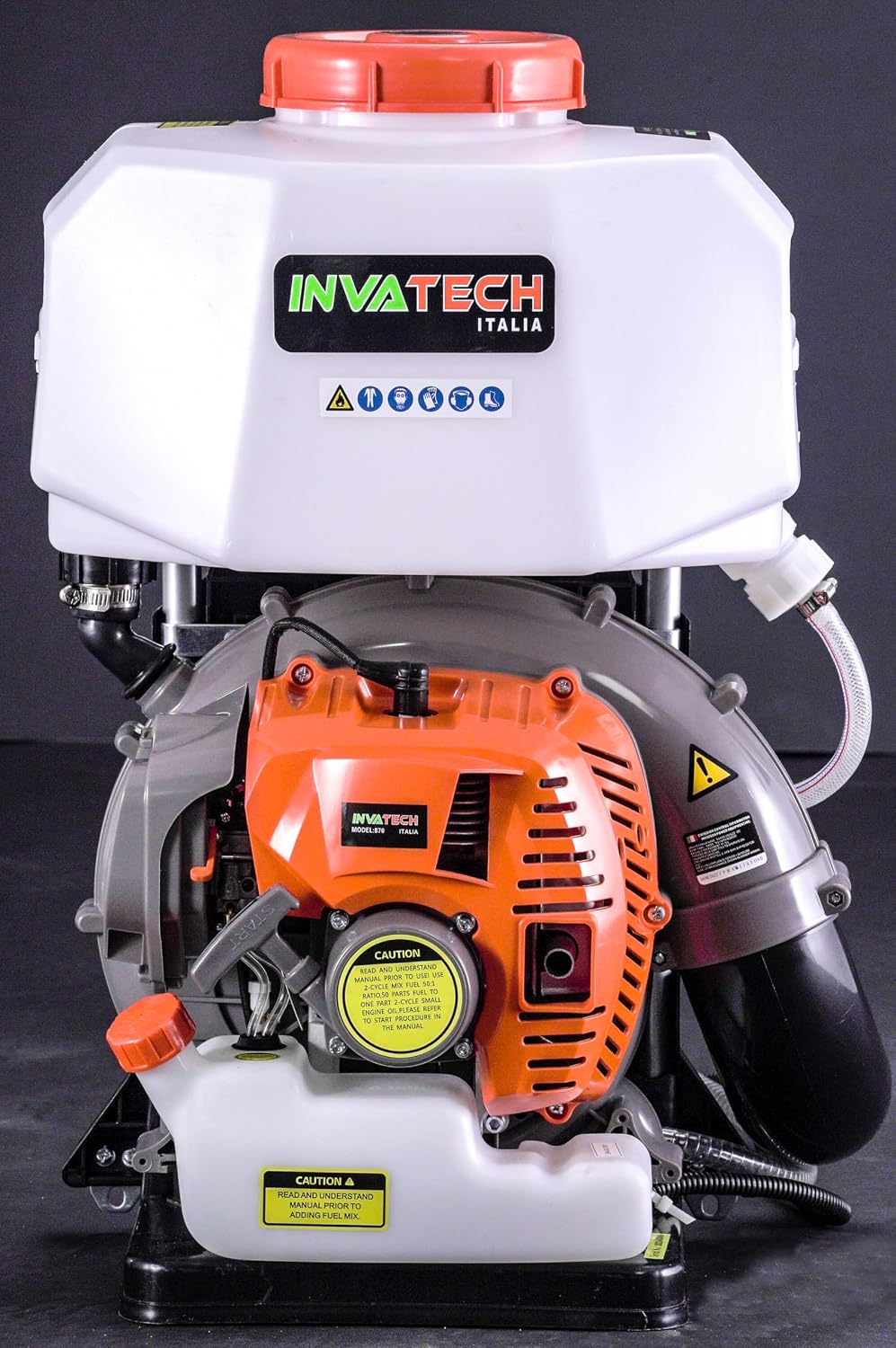
| EDITOR'S PICKInvatech Italia Mosquito fogger… | Mid-tierBlack Flag 190107 Electric Inse… | Budget pickOFF! Outdoor Insect & Mosquito… | |
|---|---|---|---|
| Power source | — | Electric | — |
| Fogger type | Backpack/cold | — | — |
| Coverage area | — | — | 900 sq ft |
| Container size | — | — | 16 oz |
| Pack count | — | — | 2 |
| Target pests | Mosquitoes | Mosquitoes, flies | Insects |
| Price | $399.00 | $99.89 | $14.49 |
| See on Amazon → | See on Amazon → | See on Amazon → |
What Each Tool Is Actually Doing
Understanding the mechanism matters because it changes how you evaluate results.
A fogger works through acute knockdown. When you apply a pyrethrin- or permethrin-based concentrate, you’re killing mosquitoes — and a range of other insects — that are present in the treatment zone at the time of application. According to the EPA’s document Mosquito Control: Choosing the Right Method for the Situation, ULV spraying provides temporary relief; it does not eliminate breeding sources or prevent reinfestation from adjacent areas. Results are immediate and visible. They’re also temporary. Depending on your pressure, droplet size, and formulation, you can expect meaningful knockdown for 24–72 hours in a contained residential yard.
The National Pesticide Information Center’s Pyrethrins and Pyrethroids Fact Sheet describes these active ingredients as broad-spectrum insecticides derived from chrysanthemum flowers or synthesized to mimic them — effective on contact but subject to rapid degradation in sunlight and on treated surfaces.
A DynaTrap works through long-term population suppression. The UV light mimics the spectrum that attracts host-seeking female mosquitoes. The fan creates a small vacuum that pulls them into a retention basket. Nothing dies instantly on contact; insects that enter are retained and desiccate over time. This means the evidence accumulates in the basket — a psychologically important point that owners consistently flag in long-run reviews — but the population impact is gradual. Most DynaTrap users report noticing meaningful reduction in mosquito pressure after three to six weeks of continuous operation, not three to six days.
The honest framing: a fogger is an event tool. A DynaTrap is a season tool. Treating them as competitors for the same job is where buyers get confused.
The Values Layer — Why Some Buyers Won’t Fog Regardless of Performance
This is the part that pure-performance comparisons skip, and it matters commercially because it shapes what your client or property manager will actually accept.
A significant segment of DynaTrap buyers are there because fogging is not on the table. The clearest example: bird-feeding households. The EPA’s Mosquito Control guidance notes that pyrethrin-based products carry documented toxicity to birds and aquatic invertebrates. A homeowner with active feeders, a pollinator garden, or a koi pond isn’t making a performance tradeoff — they’re making an elimination decision. The DynaTrap is the only acceptable option in that yard.
The same logic applies commercially. Outdoor dining venues, petting zoos, organic-certified farms, and childcare facilities may have contractual, certification, or regulatory constraints on pesticide application. This Old House, in its overview How to Get Rid of Mosquitoes in Your Yard, notes that chemical-free mechanical trapping is increasingly specified in premium residential and hospitality landscape contracts because liability exposure from pesticide drift complaints has grown. If you’re a pest-control operator pitching a commercial account, a passive UV trap can open doors that a spray-only program would close.
The Cost Math: One Season, Side by Side
Here’s where practitioners need to do honest arithmetic rather than sticker-price comparison.
DynaTrap annual cost estimate (mid-range unit, ½-acre coverage):
| Line item | Estimated annual cost |
|---|---|
| Unit amortized over 3 seasons | ~$40–$50/yr |
| Replacement UV bulbs (1–2/yr) | $15–$25 |
| Electricity (continuous operation, ~7W) | ~$10–$15 |
| Total annual | ~$65–$90 |
Fogger program annual cost estimate (ULV fogger, backyard scale, weekend use):
| Line item | Estimated annual cost |
|---|---|
| Fogger amortized over 5 seasons | ~$40–$80/yr |
| Concentrate (16–32 oz/season, varies by product) | $30–$60 |
| Electricity or propane | $15–$30 |
| PPE replacement (gloves, mask filters) | $10–$20 |
| Total annual | ~$95–$190 |
The fogger program costs more per season at equivalent coverage scale, primarily because chemical consumables add up. The cost advantage of the DynaTrap widens further when you factor in time: mixing, applying, observing re-entry intervals (the period after application before the area is safe for children and pets — typically 30 minutes to several hours depending on formulation and label instructions).
For commercial operators running a route, the math inverts at scale: a single technician with a quality ULV fogger can service multiple accounts per day. The DynaTrap is a leave-behind product, not a service delivery vehicle.
Scenario Comparisons: Three Common Situations
Scenario 1 — The One-Time Backyard Event

OFF!
$14.49
In stock on Amazon
Check price on AmazonSituation: A wedding, backyard party, or restaurant patio opening is 48 hours away. The goal is maximum guest comfort on a specific date.
DynaTrap verdict: Not the right tool here. Three to six weeks of continuous operation is the timeframe for meaningful population impact. Deploying a passive trap two days before an event will not move the needle.
Fogger verdict: This is the fogger’s best use case. A ULV or propane fogger applied 30–60 minutes before the event — with the re-entry interval observed — provides the acute knockdown the situation demands. The CDC’s Controlling Mosquitoes at Home resource emphasizes that source reduction and personal protection remain the foundation of mosquito management, but acknowledges that area treatments provide meaningful temporary relief for specific outdoor gatherings.
Winner for this scenario: Fogger, without meaningful competition. Budget-friendly concentrate options cover this job adequately without requiring a premium chemical program.
OFF!
$14.49
In stock on Amazon
Check price on AmazonScenario 2 — The Season-Long Residential Yard
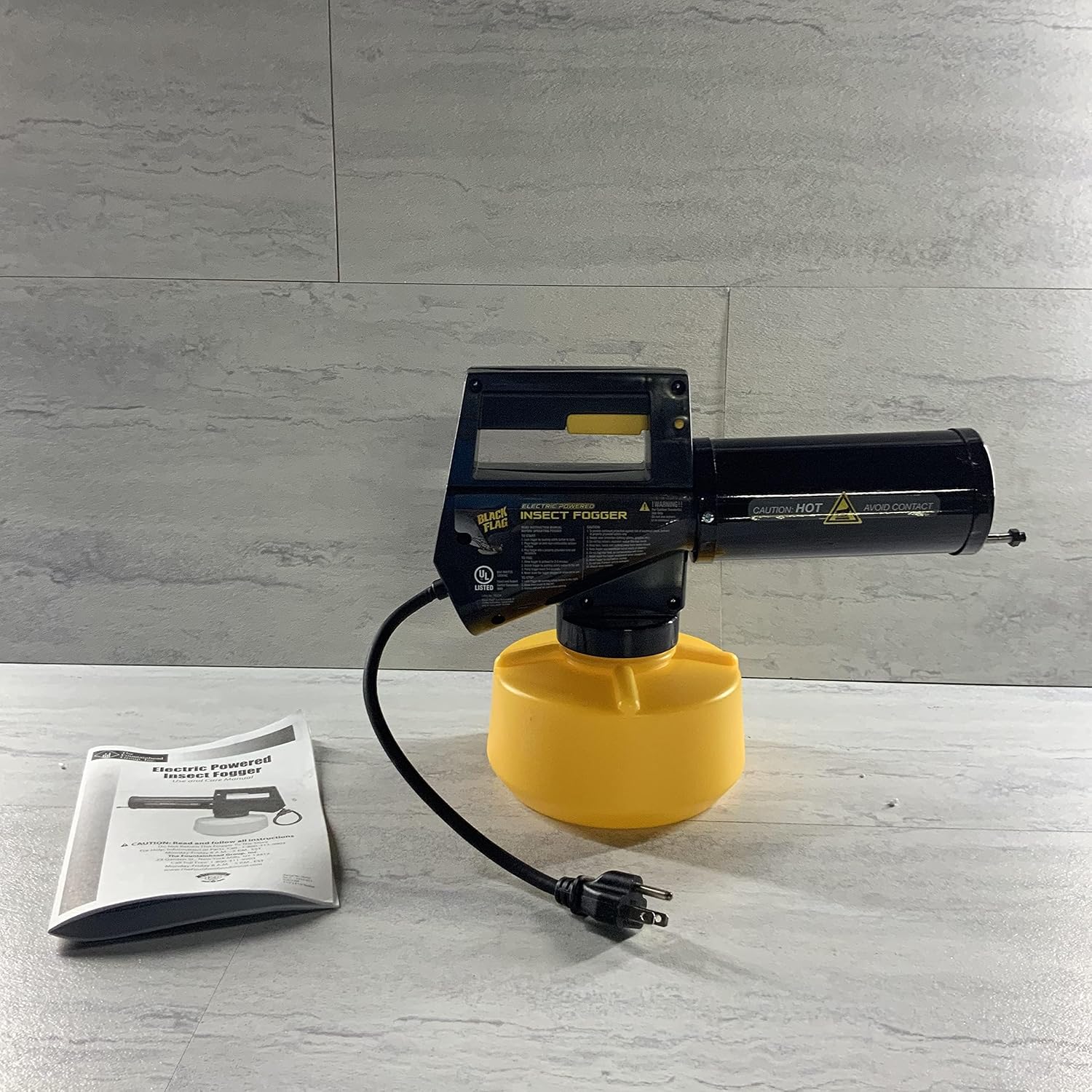
Black
$99.89
In stock on Amazon
Check price on AmazonSituation: A homeowner wants a generally more comfortable yard across a 16-week season. No single high-stakes event — just reclaiming summer evenings on a regular patio.
DynaTrap verdict: This is the trap’s ideal environment. Continuous passive trapping accumulates impact over weeks. Reviewers across multiple DynaTrap models consistently note that visible catch volume builds over the first two to three weeks and that the yard becomes noticeably less hostile to outdoor activity by week four to six. This Old House’s mosquito control overview confirms that passive trapping is most effective when treated as a sustained program rather than a reactive intervention.
Fogger verdict: Periodic fogging would require application every two to three days to maintain knockdown — a time, cost, and chemical-exposure burden that most homeowners find unsustainable across a full season. The cumulative cost also approaches $150–$190 annually, compared to $65–$90 for continuous trap operation.
Winner for this scenario: DynaTrap. Mid-tier coverage models (typically ½-acre units in the $80–$110 range) are the right scale for the average suburban yard.
Black
$99.89
In stock on Amazon
Check price on AmazonScenario 3 — The Commercial Account With Chemical Restrictions
Invatech
$399.00
In stock on Amazon
Check price on AmazonSituation: An outdoor dining venue, childcare facility, or organic-certified property needs ongoing mosquito control but cannot accept pesticide application on-site. A pest-control operator is pitching a recurring service contract.
DynaTrap verdict: This is where the passive trap moves from “alternative” to “only viable option.” The EPA’s mosquito control documentation is explicit that chemical applications near water features, bird habitats, and sensitive populations require careful label compliance and may be prohibited under certain certifications. A UV/fan trap with no pesticide drift, no re-entry intervals, and no chemical storage requirements satisfies the constraint entirely. Premium multi-acre coverage units — typically in the $130–$150 range — are sized for commercial outdoor spaces and can be deployed in multiples for large properties.
The catch basket also provides tangible service evidence for contract clients: a full basket at each visit is visible proof of ongoing activity, which supports recurring service billing in a way that a spray program’s invisible residual cannot.
Fogger verdict: Disqualified by the restriction, not by performance. In an unrestricted commercial environment, a fogger program would compete effectively for event-driven accounts.
Winner for this scenario: DynaTrap at premium coverage scale. This is also the scenario where the trap-plus-fogging hybrid (described in the next section) becomes relevant if the account has adjacent unrestricted areas.
Invatech
$399.00
In stock on Amazon
Check price on AmazonRunning Both Without Wasting Money
The trap-plus-fog hybrid approach is underrated and operationally simple. The DynaTrap handles continuous background suppression. The fogger gets deployed for specific events when acute knockdown is needed. These tools do not interfere with each other — the UV trap continues to attract mosquitoes regardless of whether you’ve fogged recently, and fogging a treated area doesn’t damage or contaminate the trap’s mechanism.
The only practical placement consideration: position the DynaTrap away from the immediate fogging zone during application. Not because the chemical damages the unit, but because knockdown in the fogged microzone temporarily eliminates the mosquitoes the trap would otherwise intercept. The more effective placement is at the yard perimeter — where the trap intercepts mosquitoes entering from adjacent areas — while the fogger handles the activity zone.
For commercial accounts, this hybrid model is a strong service frame: the trap is a visible, always-on system demonstrating ongoing service, and the fogging program handles event preparation. It supports recurring contracts rather than one-time spray calls.
Tick control is worth addressing separately here: DynaTrap units are not effective against ticks. Ticks don’t fly and aren’t attracted to UV light or fan currents. The CDC’s guidance on tick control — detailed in its Controlling Mosquitoes at Home and related tick-specific resources — identifies ground-applied residual treatments targeting leaf litter and brush edges as the evidence-based approach. If tick pressure is a primary concern alongside mosquitoes, a directed residual spray program is the appropriate add-on, and the DynaTrap’s chemical-free operation doesn’t conflict with it.
Frequently Asked Questions
How long does it take for a DynaTrap to noticeably reduce mosquito populations? The consistent pattern across owner reviews is three to six weeks of continuous operation before meaningful population reduction becomes noticeable. The trap needs to run 24/7 — not just evenings — to intercept host-seeking mosquitoes throughout their active cycles.
Does the DynaTrap catch anything other than mosquitoes? Owners consistently report catches that include gnats, moths, and small flying beetles in addition to mosquitoes. Wasps are captured occasionally but are not primary targets. Ticks are not captured under any conditions.
Can I use a DynaTrap where I also feed birds or have a pollinator garden? Yes — the unit uses no chemicals and poses no pesticide-drift risk to birds, pollinators, or aquatic life. The UV light does attract some moths and non-pest insects; users with active butterfly gardens sometimes position the trap away from blooming areas to reduce incidental non-target catch.
Is fogging safe around bird feeders if I let it dry first? Per the National Pesticide Information Center’s Pyrethrins and Pyrethroids Fact Sheet and EPA label requirements, pyrethrin and permethrin residues do degrade with sun exposure and are significantly reduced after drying. However, EPA label requirements for these products explicitly recommend removing or covering bird feeders and water features before application and keeping them covered until treated surfaces are fully dry. Drying is a reasonable precaution, not a guarantee of zero exposure.
Can I run a DynaTrap and still fog occasionally for events? Yes. These tools operate on entirely different mechanisms. The practical best practice is to position the DynaTrap at the yard perimeter during a fogging application so it continues to intercept incoming mosquitoes while the fogged activity zone handles immediate knockdown.