August 8, 2026 • Elena Garcia • 11 min reading time • Specs verified June 25, 2026
Indoor Fogging for Bugs, Mold, and Odors: Matching the Right Machine to the Job
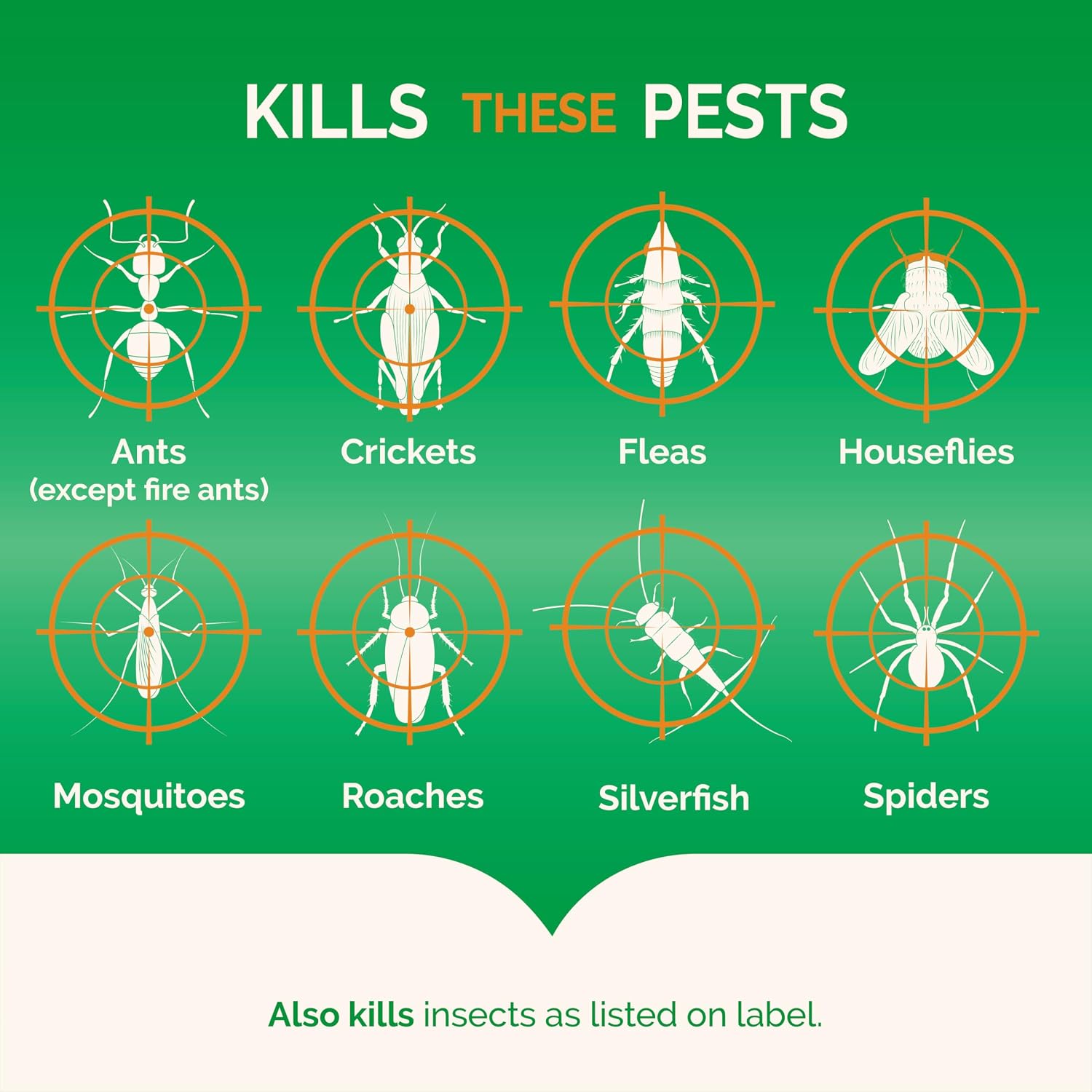
Indoor fogging is a broad term that gets used for three genuinely different jobs: killing insects, treating mold or pathogens, and neutralizing odors. Each of those jobs calls for a different type of machine, a different chemistry, and a different set of precautions — and using the wrong approach doesn’t just underperform, it can actively create hazards. A total release fogger (also called an aerosol bug bomb) is a pressurized can you set off and leave; it saturates a room with fine pesticide droplets that settle on surfaces. A ULV cold fogger (ULV = Ultra Low Volume) is an electric machine that mechanically atomizes liquid into a fog without heat; it’s reusable, adjustable, and compatible with a wide range of chemicals. A thermal fogger uses heat to vaporize an oil-based carrier fluid, producing a dense, smoke-like fog that penetrates odors and porous materials especially well. Knowing which category you’re shopping in — before you look at a single product — is the most important decision in this guide.
If you’ve ever set off a bug bomb in the wrong room, fogged a crawlspace with the wrong chemistry, or tried to chase a smoke odor with an aerosol can that just added a floral smell on top of it, you already understand the cost of category confusion. This guide maps each use case to the right machine class, names the specific products that practitioners keep coming back to, and gives you explicit safety thresholds to respect along the way.
| EDITOR'S PICKHurricane ES Electrostatic Cord… | Mid-tierHot Shot No-Mess! Fogger With O… | Budget pickCreatech Commander Tri Jet ULV… | |
|---|---|---|---|
| Power source | Corded | Aerosol can | — |
| Tank capacity | 1 gallon | 1.2 oz per can | — |
| Droplet size | 10–50 microns | — | — |
| Application type | ULV | Dry fog | ULV (cold) |
| Odor control | — | ✓ | — |
| Pilot lights stay on | — | ✓ | — |
| Price | $671.99 | $70.93 | |
| See on Amazon → | See on Amazon → | See on Amazon → |
The Three Use Cases Are Not Interchangeable
Use Case 1: Pest Control
Aerosol total release foggers are the workhorse here for residential and light commercial. They’re single-use, require no equipment, and are purpose-formulated with active ingredients (typically cypermethrin, tetramethrin, or pyrethrin blends) registered by the EPA for exactly this application.
The Hot Shot brand’s fogger lineup is the category benchmark at this tier. The standard Hot Shot fogger works by releasing its entire contents when activated, coating surfaces and filling airspace with insecticide droplets. The Hot Shot No-Mess fogger variant is worth understanding specifically: it uses a dry fog formulation designed not to leave visible wet residue, and critically, it is engineered to be used without extinguishing pilot lights — a meaningful safety differentiator that the standard (wet) formulas do not share. The EPA’s guidance document “Using Foggers (Bug Bombs) Safely” is explicit that standard fogger propellants can accumulate near ignition sources and create fire or explosion risk. That distinction matters enormously in kitchens, utility rooms, or any space with a standing pilot.
For practitioners managing rental properties, hotel rooms, or multi-unit pest calls, a ULV cold fogger gives you repeatable control over droplet size and dwell time that an aerosol can simply can’t offer. The SWANSOFT ULV fogger has drawn notable attention from operators at this tier: reviewers include medical professionals and pest-control practitioners who describe its particle size adjustability as performing comparably to commercial machines at a fraction of the acquisition cost. Published specs put its droplet output in the 5–50 micron VMD (volume median diameter) range depending on nozzle setting — the lower end of that range is where airborne insecticide coverage excels, while the higher end is more appropriate for surface treatments.
Use Case 2: Mold and Disinfection
This is where category confusion does the most damage. Aerosol bug bombs are not registered or effective for mold remediation — their chemistry is pesticide-specific and their droplet physics prioritize airborne suspension over surface penetration into porous materials. Using one in a moldy crawlspace does essentially nothing to the mold and leaves pesticide residue in a space that may not be adequately ventilated.
A ULV cold fogger loaded with an appropriate antimicrobial or mold-control product is the right tool class here. The Createch Commander ULV fogger has earned an unusually loyal following among practitioners doing exactly this kind of work — crawlspace mold treatment, hospital disinfection, post-flood remediation. Owners provide detailed use-case documentation in long-run reviews that’s rare at this price tier. One recurring and honest observation from that owner base: the unit ships with minimal documentation on application rates and chemical dilutions, which puts the burden on the operator to source protocol guidance elsewhere. The EPA’s Safer Choice registered-product database is the right starting point for chemistry selection; for mold specifically, Concrobium Mold Control (sodium carbonate-based, no VOCs) is a frequently cited choice by practitioners who need a low-toxicity option safe for occupied or semi-occupied structures.
One important technical note: the CDC’s mold remediation guidance and peer literature are consistent that fogging with any product — even an EPA-registered fungicide — is a supplemental treatment, not a substitute for physical removal of mold-colonized materials. Fogging suppresses surface spore counts and can reach gaps that scrubbing can’t; it does not kill mold embedded in drywall or wood substrate when those materials need to come out. If a reviewer or product listing implies otherwise, that’s a flag.
For disinfection applications (post-illness, food-service turn, healthcare adjacent), the Dyna-Fog Hurricane ES raises the game significantly. It adds electrostatic charge to the output droplets, which causes them to wrap around surfaces — including undersides and back faces — rather than just settling by gravity. Cleaning business owners and rental property managers consistently cite the electrostatic advantage as justifying the price step. Noise is the only consistently noted drawback in operator reviews; it’s a loud machine by any standard, which matters in occupied facilities or noise-sensitive environments.
Use Case 3: Odor Neutralization
This is the thermal fogger’s home territory. Thermal fogging works by heating an oil-based carrier — typically a glycol blend — to vaporization; the resulting fog penetrates porous materials, seating, upholstery, and HVAC ducting in a way that cold fogging chemistry applied by ULV simply doesn’t replicate. The physics are different: the hot vapor follows the same pathways as the original odor-causing smoke or organic compound.
The ODORx Thermo 55 is the category reference for professional odor remediation. Reviewers in long-run evaluations are almost exclusively trade professionals — automotive reconditioning, hotel restoration, fire/smoke damage contractors — and their consensus on proper protocol is worth internalizing: the thermal fog treats residual odor molecules after source remediation is complete. You cannot fog over a smoke-damaged room without first cleaning surfaces, replacing HVAC filters, and removing charred materials, and expect the fog alone to solve the problem. Operators who follow that protocol report strong and lasting results; operators who skip source remediation and fog anyway are disappointed, and their reviews say so.
A key operational safety note for thermal foggers generally: the oil-based carrier and the heat element together mean these machines are inappropriate for any space with active ignition sources. Rooms must be clear of pilot lights, open flames, and poorly grounded electrical equipment before operation. This is not a theoretical precaution — it’s a genuine fire risk that separates thermal fogging from cold fogging in your site-assessment checklist.
By the Numbers
| Machine Class | Best Use | Typical Droplet VMD | Key Limitation |
|---|---|---|---|
| Aerosol total release (bug bomb) | Residential pest control | 15–30 µm (fixed) | Single-use; no adjustability; not for mold or odor |
| ULV cold fogger | Mold treatment, disinfection, pest (flex) | 5–50 µm (adjustable) | Requires correct chemical selection; no oil-based solvents in most units |
| Thermal fogger | Odor neutralization, smoke/fire remediation | <10 µm (hot vapor) | Ignition-source hazard; oil-based only; no occupied-space use |
Safety Crosschecks Before You Buy
The NPIC (National Pesticide Information Center) total release fogger fact sheet — published by Oregon State University’s Extension service — outlines the most common fogger-related incidents and they cluster around three failures: using more cans than necessary in a space, failing to extinguish ignition sources, and re-entering too soon after treatment. All three are preventable and all three show up repeatedly in incident reports.
For ULV foggers: chemical compatibility with the machine’s internal materials matters as much as safety labeling. Most consumer and prosumer ULV foggers use polypropylene reservoirs and EPDM or Viton seals — fine for water-based formulations, but degraded quickly by petroleum solvents, high-concentration bleach, or certain essential-oil formulations. If you’re running a non-standard chemistry, confirm material compatibility with the manufacturer before the first use, not after the reservoir starts cracking.
Decision Rules: If X, Then Y
If your problem is live insects in a residential or rental unit and you need zero equipment investment: Hot Shot total release fogger. Use the No-Mess variant if any pilot lights or gas appliances are present. Verify your square-footage math (see FAQ below) — coverage per can is consistently reported as smaller than the label’s most optimistic figure in real-room conditions.
If you manage multiple properties or run a pest-control route and need repeatable, adjustable coverage: Step up to a ULV cold fogger like the SWANSOFT. The acquisition cost is recovered quickly against recurring aerosol purchases, and the particle-size adjustability gives you application flexibility across pest, mold, and disinfection calls with chemistry swaps.
If your application is mold suppression, post-flood disinfection, or healthcare-adjacent sanitation: The Createch Commander ULV is the workhorse choice; the Dyna-Fog Hurricane ES is the upgrade if electrostatic wrap-around coverage on complex surfaces justifies the price step. Either way, your chemistry and protocol matter more than the machine — get your EPA registration and dilution rate right first.
If your application is smoke, fire, or persistent organic odor remediation — and source remediation is already complete: ODORx Thermo 55 is the professional standard. Do not use it as a shortcut around source remediation. Do not use it in any space with active ignition sources.
Frequently Asked Questions
Can I stay in the house during or immediately after setting off an aerosol bug bomb? No. The EPA’s fogger safety guidance is explicit: all people and pets must vacate before activating, and the re-entry interval specified on the label (typically 2–4 hours, plus ventilation time) must be observed. Fogger formulations are concentrated pesticides — inhaling the fog or re-entering before adequate ventilation is a documented poisoning risk.
Will a ULV cold fogger with Concrobium actually kill mold or just suppress it? Suppress surface spores, not kill embedded colonization. Concrobium works by encapsulating spores as it dries, preventing reproduction — it doesn’t penetrate into mold-colonized substrate. Per CDC mold remediation guidance, physically affected materials (drywall, insulation, wood showing active growth) must be removed. Fogging is a finishing and preventive measure, not a remediation shortcut.
Do I need to turn off pilot lights for the Hot Shot No-Mess fogger? According to the product’s published use instructions and the safety differentiation explicitly marketed by the No-Mess variant, it is specifically formulated to be used without extinguishing pilot lights — this is the key differentiator from standard Hot Shot fogger formulas. That said: always read the specific label on the unit you have in hand, as formulations can change between production runs, and the label is the legal use instruction.
How many Hot Shot cans do I need for a 1,500 square foot house? Label coverage figures for the standard Hot Shot fogger are typically stated at 2,000 square feet per can, but reviewer consensus is consistent that real-world coverage per can in furnished rooms with normal ceiling heights runs meaningfully shorter than the maximum label figure. A practical estimate for a 1,500 sq ft house with standard 8-foot ceilings and normal furnishings is 2–3 cans — one per major zone (e.g., main living area, bedroom wing, basement) with doors open between rooms during treatment.
Can a ULV fogger apply oil-based disinfectants or only water-based solutions? Most consumer and prosumer ULV foggers — including the SWANSOFT and Createch Commander — are engineered for water-based formulations. Oil-based solutions can degrade polypropylene reservoirs and EPDM seals over time and, in some machines, create residue buildup in the nozzle that alters droplet output. Commercial ULV units rated for oil-based use exist but are a different equipment category. If oil-based chemistry is required, a thermal fogger is typically the appropriate machine class.
How long does the ODORx thermal fog smell last before dissipating? Trade professionals using the ODORx Thermo 55 consistently report that the carrier fog smell (a mild, slightly sweet petroleum-glycol odor) dissipates within 2–6 hours in a ventilated space. In tightly sealed vehicles or rooms with limited air exchange, residual odor can linger up to 24 hours. The neutralization effect on the target odor, however, is typically permanent once the fog has fully penetrated and dried into porous surfaces — the carrier smell leaving doesn’t mean the treatment has worn off.