September 11, 2026 • Elena Garcia • 10 min reading time • Specs verified June 25, 2026
Hot Shot Indoor Fogger Bombs: No-Mess vs. Standard, Pilot Lights, and What They Miss
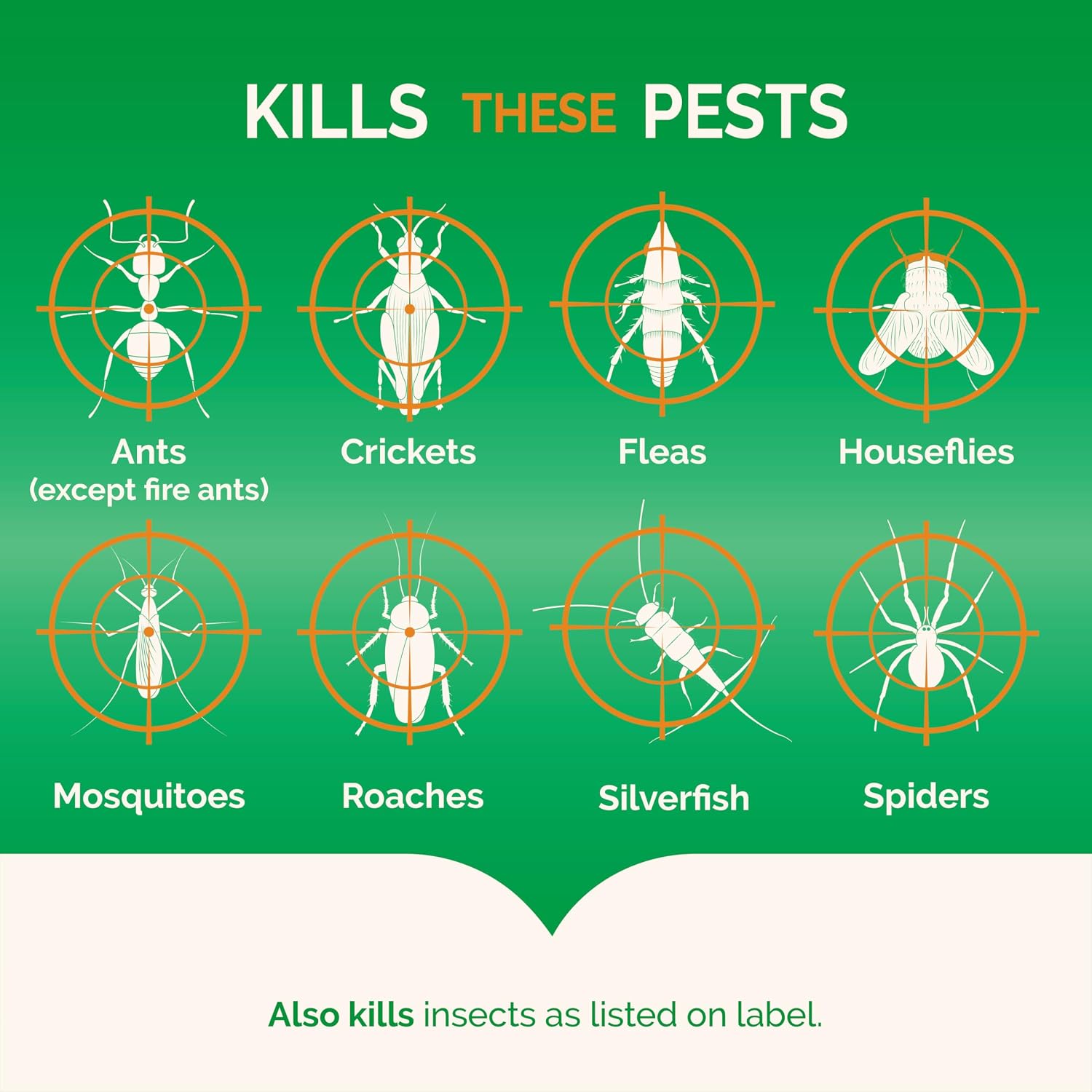
If you’ve ever walked into a room and felt like the floor was alive — fleas launching off your ankles with every step — you already understand the appeal of an indoor fogger bomb. A total release fogger (TRF), sometimes called a “bug bomb,” is a pressurized aerosol canister that, once activated, empties its entire contents into a sealed room as a fine airborne mist. The goal is to knock down flying and crawling insects without you having to chase them into every crack and corner. Hot Shot is one of the most widely available TRF brands in the U.S., and they sell two distinct versions — the standard fogger and the No-Mess fogger — that get confused constantly, despite having meaningfully different formulations, residue profiles, and safety requirements. This guide sorts out the real differences, does the coverage math for a typical home, and is honest about where both products fall short.
| EDITOR'S PICKHot Shot No-Mess! Fogger With O… | Budget pickHot Shot Fogger With Odor Neutr… | |
|---|---|---|
| Pack count | 6 | 2 |
| Cans included | 3 | 6 |
| Can size | 1.2 oz | 2 oz |
| Pilot light safe | ✓ | — |
| Dry fog formula | ✓ | — |
| Price | $70.93 | $13.99 |
| See on Amazon → | See on Amazon → |
Standard vs. No-Mess: What Actually Differs
The naming does most people no favors, so let’s be direct.
Hot Shot Standard Fogger uses a petroleum-based carrier (a solvent) to aerosolize its active ingredients — typically a pyrethroid insecticide like cypermethrin or a pyrethrin/permethrin blend. That solvent is what makes the standard fogger a fire and explosion risk around open flames. The formulation is a wet fog: it deposits a visible, oily film on surfaces it contacts. That film is part of how residual killing action works, but it also means you’ll be wiping down countertops, dishes, and exposed food prep surfaces before the space is usable again.
Hot Shot No-Mess Fogger switches to a water-based carrier. The active ingredients are similar (pyrethroids), but the delivery mechanism is fundamentally different. Because there’s no petroleum solvent propellant driving the aerosol, the No-Mess version is rated for use without extinguishing gas pilot lights — that’s the core safety distinction, and it’s the reason the product exists. Reviewers across aggregated purchase data consistently single out the “no wipe-down required” outcome as the primary reason they chose it: surfaces don’t get the same oily coating, and the post-treatment cleanup is minimal.
The tradeoff you need to know: Water-based formulations don’t disperse and penetrate quite as aggressively as solvent-based ones. The droplet dynamics are different — water droplets are heavier and settle faster, which means the No-Mess version may reach fewer void spaces (under furniture, inside wall gaps) than the standard version in the same square footage. UC Davis IPM Program guidance on flea management consistently emphasizes that penetration into harbourage areas is one of the most critical variables in TRF efficacy, which is why the carrier chemistry matters more than most buyers realize.
If you’re choosing between them: The No-Mess version is the right call for any home with gas appliances, standing pilot lights, or where you simply cannot guarantee every ignition source is off. The standard version may produce more thorough knock-down in heavily infested, hard-to-access spaces — but the pilot light risk is real and documented. Per U.S. EPA consumer advisories on fogger safety, fires and explosions from fogger use near ignition sources are a recurring incident category, not a theoretical concern.
The Pilot Light Question, Answered Plainly
This is the most-Googled confusion point around these products, and reviewers note that reading the label carefully is the only reliable way to know which variation you have.
Here’s the simple rule:
- Standard Hot Shot fogger — turn off all pilot lights, gas appliances, and ignition sources before use. This means your water heater, furnace, gas range, and any standing pilot on a fireplace. The EPA advisory on fogger safety specifically calls out that ignition sources must be extinguished before activating petroleum-carrier TRFs.
- Hot Shot No-Mess fogger — marketed as pilot-light safe, because the water-based carrier eliminates the flammability risk from the propellant. That said: read the current label on the specific can you purchased. Formulations do change, and the only authoritative source is the product label itself, which is a legally binding document.
If you’re in any doubt about which version you have, treat it as a standard fogger and kill the pilots. The inconvenience of relighting a water heater is trivial compared to the alternative.
Coverage Math: How Many Cans for a Three-Bedroom House?
Both Hot Shot versions publish square footage ratings per can, but buyers consistently report covering less area than the label suggests in real-world conditions — particularly when the home has 8-foot ceilings, lots of furniture, or multiple levels.
By the numbers — rough sizing guide:
| Space | Approx. Sq Ft | Cans Needed (standard) |
|---|---|---|
| Single bedroom | 120–180 sq ft | 1 |
| Open-plan living/kitchen | 300–500 sq ft | 1–2 |
| Full 3-bedroom house | 1,200–1,800 sq ft | 3–6 |
| Basement (unfinished) | 600–900 sq ft | 1–2 (treat separately) |
The math that most buyers get wrong: you fog by room, not by total house square footage. A three-bedroom, two-bath house of 1,400 square feet isn’t one 1,400-square-foot space — it’s six or seven discrete rooms, each needing its own fogger activation. Because you’re sealing off each room and running them simultaneously (you set them all off before you leave), under-buying is the most common planning error. The No-Mess version reviewers specifically note that the per-can coverage feels smaller than expected; err toward one can per distinct room rather than trying to stretch coverage.
One practical note: don’t fog the garage with an indoor fogger unless the product label explicitly permits it. Garages have gas lines, vehicles with fuel systems, and ignition sources that multiply the risk. Treat the garage as a separate scope.
Flea Efficacy: What the Product Does Well, and Where It Stops
Reviewers skew heavily toward severe flea infestation scenarios when rating both Hot Shot versions. The pattern across aggregated reviews is vivid: buyers describing infestations where every step across carpet produced visible swarming, attributing genuine psychological distress to the experience, and then reporting strong satisfaction with results post-treatment. That’s meaningful signal — these aren’t casual users managing a single flea sighting.
The active ingredients in pyrethroid-based TRFs kill adult fleas on contact. That’s the clear win. Where the picture gets complicated is the flea lifecycle:
- Eggs (roughly 50% of a flea population at any moment) are essentially impervious to pyrethroids. Eggs have no nervous system to disrupt.
- Pupae (cocoon stage) are similarly resistant. The cocoon is a physical barrier that pyrethroid aerosols don’t penetrate reliably.
- Larvae are vulnerable, but only if the active ingredient contacts them directly — which is harder in carpet pile than most buyers expect.
Per UC Davis IPM guidance on flea biology, this multi-stage lifecycle is the primary reason single-treatment fogger applications frequently feel like they “wore off” after two to three weeks. What buyers are experiencing is the next generation of adults emerging from pupae that survived the initial treatment. The correct expectation is: one fogger treatment kills the adults in the space on treatment day. A second treatment 10–14 days later (when remaining pupae have hatched into adults before they’ve had time to lay new eggs) is the standard IPM recommendation for breaking the cycle.
The CDC’s guidance on flea management from pets also emphasizes treating the animal simultaneously — if the source host isn’t treated with a veterinarian-recommended flea product, re-infestation from the pet reseeds the environment regardless of how effective the fogger was.
What Hot Shot fogger bombs should not be positioned as the primary tool for: bed bugs. The formulation and penetration characteristics of TRFs are poorly matched to bed bug behavior — bed bugs hide in harborage areas (mattress seams, wall voids, electrical outlets) that aerosol fog doesn’t reliably reach. The National Pesticide Information Center’s fact sheet on total release foggers explicitly notes that bed bugs are among the pests least effectively addressed by TRF application, and that directional crack-and-crevice treatments are far more effective for that pest category.
What Foggers Miss: The Honest Accounting
For a practitioner building client-facing guidance or managing a multi-unit property, this is the section that matters most.
Void spaces and wall interiors. TRF aerosols don’t infiltrate wall cavities, subfloor voids, or the interior of cabinetry. Insects that harborage in those spaces are largely unaffected.
Surfaces shielded by furniture. The underside of a sofa, the interior of a closet packed with belongings, and the space beneath a bed frame with a box spring resting on the floor — all of these are low-exposure zones for any airborne fog.
Re-entry timing. The EPA’s fogger safety advisory recommends staying out of treated spaces for the duration specified on the label (typically two hours for Hot Shot products), followed by ventilating with open windows for 30 minutes before re-entry. The temptation to cut this short is a real exposure risk — pyrethroid aerosols are low-toxicity to humans at intended concentrations, but the keyword is “at intended concentrations after dispersal.”
Residual window. Reviewers report no re-infestation within their review window — typically 30–90 days — which is consistent with the two-week residual activity most pyrethroid formulations provide. Beyond that window, re-introduction from an untreated pet or neighboring unit can restart the cycle.
Frequently Asked Questions
Do I need to turn off pilot lights before using Hot Shot fogger bombs? For the standard (petroleum-carrier) Hot Shot fogger: yes, absolutely. Turn off all gas appliances and extinguish all pilot lights before activating any can. For the No-Mess (water-based) version, the product is marketed as pilot-light safe — but read the current label on your specific can before assuming, as formulations can change.
What is the difference between the Hot Shot standard fogger and the No-Mess fogger? The carrier chemistry is the core difference. The standard fogger uses a petroleum-based solvent, which disperses more aggressively but requires pilot light shutdown and leaves an oily residue on surfaces. The No-Mess fogger uses a water-based carrier, is safer around gas ignition sources, and leaves minimal surface residue — but may not penetrate harborage areas as deeply.
How many cans do I need for a three-bedroom house? Plan on one can per enclosed room, not one can per home. A three-bedroom house typically has six to eight discrete rooms (bedrooms, bathrooms, living areas, kitchen). Budget four to six cans as a baseline; more if any rooms are large or heavily furnished.
Can I use Hot Shot fogger bombs for fleas — does it work on eggs and larvae too? Adult fleas are killed effectively on contact. Eggs and pupae are largely resistant to pyrethroid aerosols. Larvae are vulnerable but only if directly contacted. A follow-up treatment at 10–14 days is standard practice to catch newly hatched adults before they reproduce. Simultaneously treating any pets with a veterinarian-approved flea product is essential for lasting results.
How long do I need to stay out of the house after setting off a fogger? The EPA advisory and product labels typically specify two hours minimum, followed by 30 minutes of active ventilation (open windows, run fans) before re-entry. Follow the label on your specific can — this is a legally binding safety requirement, not a suggestion.
Is there any wet residue left on surfaces after the No-Mess version? Reviewers consistently report that the No-Mess formula leaves surfaces dry and requires no wipe-down — which is the primary reason buyers choose it over the standard version. This is distinct from the standard fogger, which deposits a visible oily film that requires cleaning dishes, counters, and food prep surfaces before the space is usable.
Decision Rule
If your priority is safety around gas appliances or minimal post-treatment cleanup: choose the No-Mess version and plan for the slightly smaller effective coverage per can.
If your priority is maximum penetration for a severe, established flea infestation in a home where you can guarantee every ignition source is off: the standard version gives you more aggressive dispersal — but the pilot light protocol is non-negotiable and the cleanup burden is real.
In either case: plan a second treatment at 10–14 days, treat the pets, and don’t expect a single fogger treatment to resolve a heavy infestation in one pass. The product works; the lifecycle biology doesn’t care about the label’s promises.